Klis, a historic village near Split, offers a rich blend of cultural heritage, natural beauty, and unique experiences. The main attraction is the Klis Fortress, an ancient stronghold with panoramic views of Split, the Adriatic Sea, and surrounding islands. This fortress has witnessed various civilizations, including the Illyrians, Romans, and Venetians, and is famous for its role in the TV series “Game of Thrones.”
You can explore guided historical and cultural tours to learn about Klis’s strategic importance and legendary battles. The elevated position of Klis provides breathtaking vistas of the Dalmatian coast, perfect for photography and sightseeing. Nature enthusiasts can enjoy numerous hiking and nature trails, immersing themselves in the beautiful Mediterranean landscape and serene natural environment.
Klis is also renowned for its traditional lamb dishes, offering authentic Dalmatian cuisine at local restaurants. Throughout the year, various cultural events, reenactments, and festivals celebrate its historical heritage and local traditions. The village’s proximity to Split allows to easily combine a visit to Klis with exploring the vibrant Split city, including its historic Diocletian’s Palace, lively markets, and beautiful beaches.
Additionally, you can tour local olive groves and participate in olive oil tastings, experiencing the region’s renowned olive oil production. Klis offers a unique blend of history, culture, and nature, making it a must-visit destination for those exploring the Dalmatian region of Croatia.
INTERESTING FACT
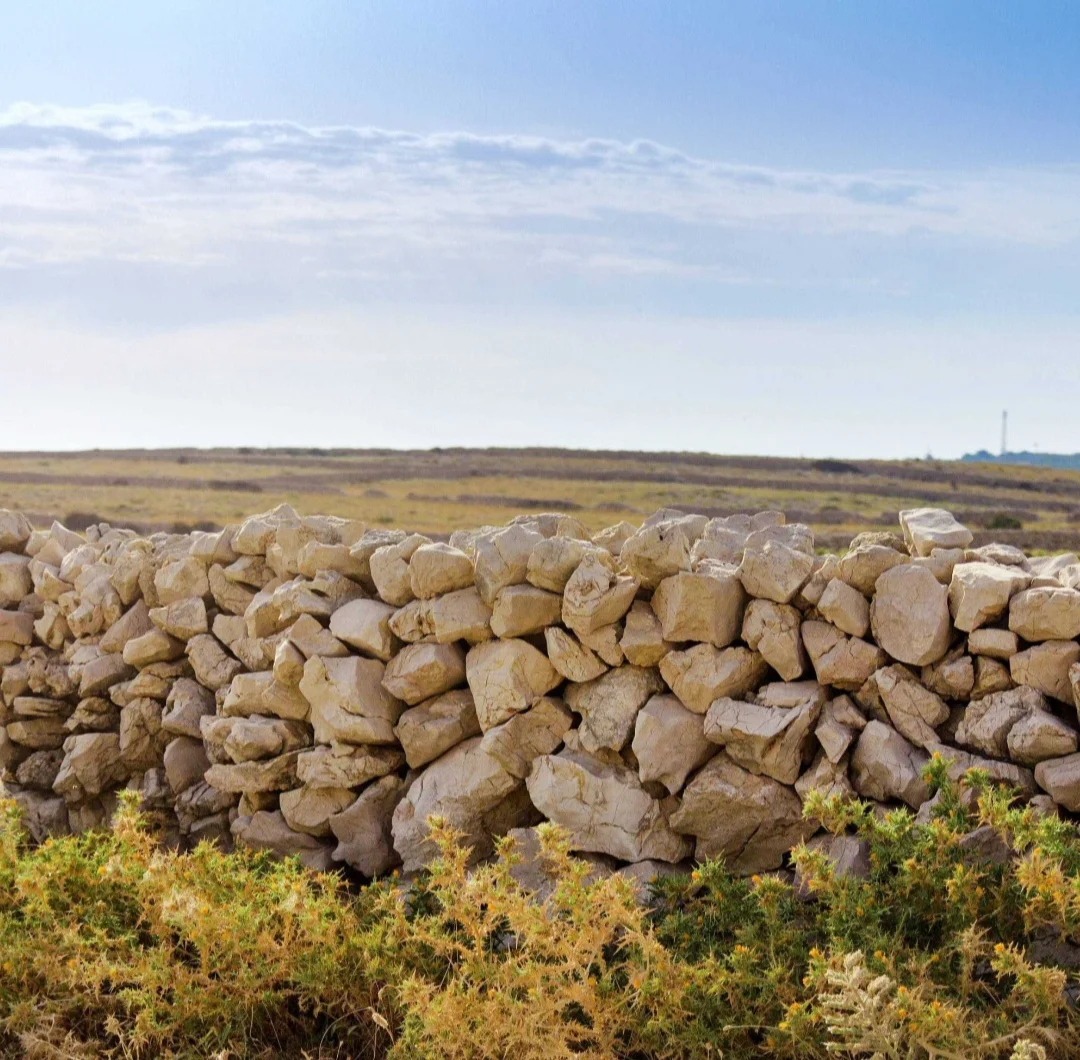
The art of dry stone walling concerns the knowhow related to making stone constructions by stacking stones upon each other, without using any other materials except sometimes dry soil. Dry stone structures are spread across most rural areas – mainly in steep terrains – both inside and outside inhabited spaces, though they are not unknown in urban areas. The stability of the structures is ensured through the careful selection and placement of the stones, and dry-stone structures have shaped numerous, diverse landscapes, forming various modes of dwelling, farming and husbandry. Such structures testify to the methods and practices used by people from prehistory to today to organize their living and working space by optimizing local natural and human resources. They play a vital role in preventing landslides, floods and avalanches, and in combating erosion and desertification of the land, enhancing biodiversity and creating adequate microclimatic conditions for agriculture. The bearers and practitioners include the rural communities where the element is deeply rooted, as well as professionals in the construction business. Dry stone structures are always made in perfect harmony with the environment and the technique exemplifies a harmonious relationship between human beings and nature. The practice is passed down primarily through practical application adapted to the particular conditions of each place.
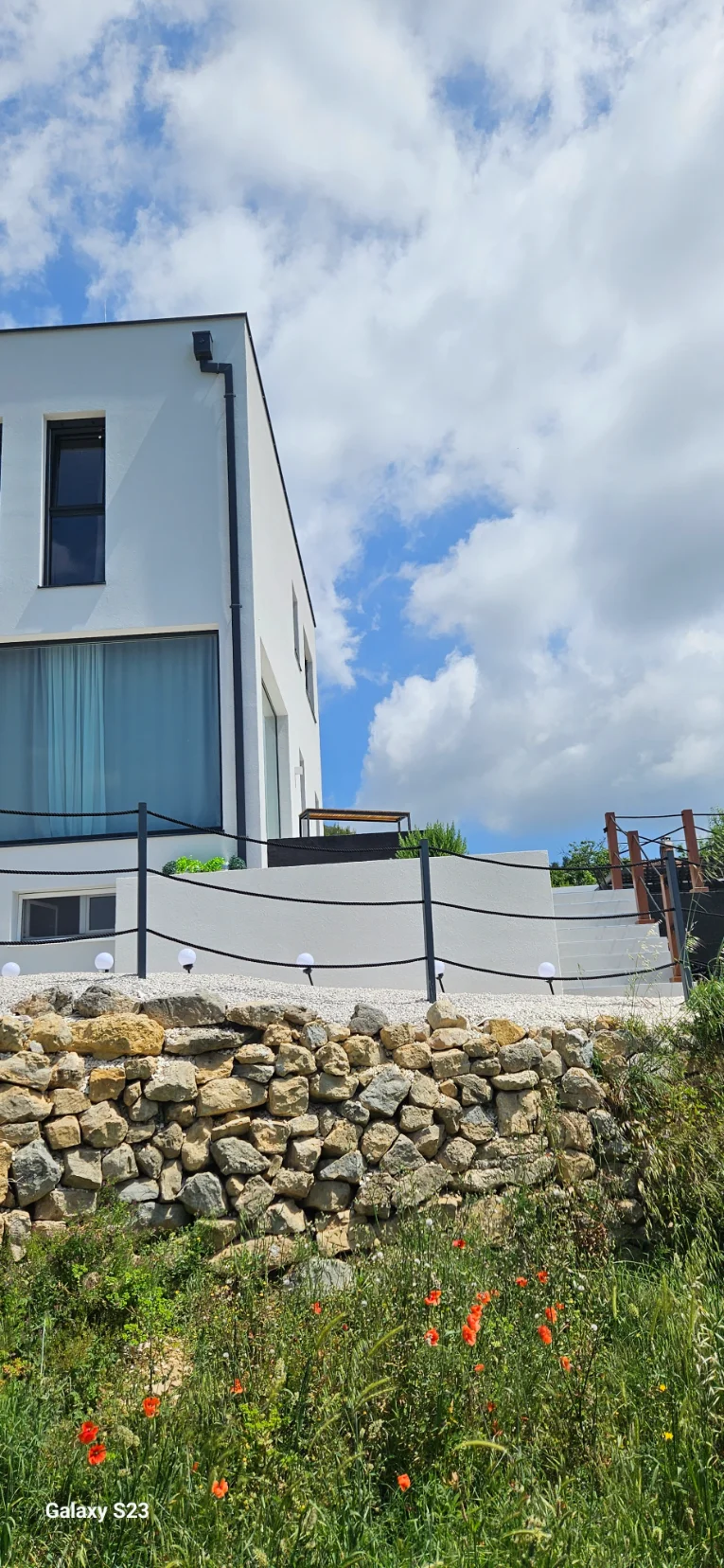
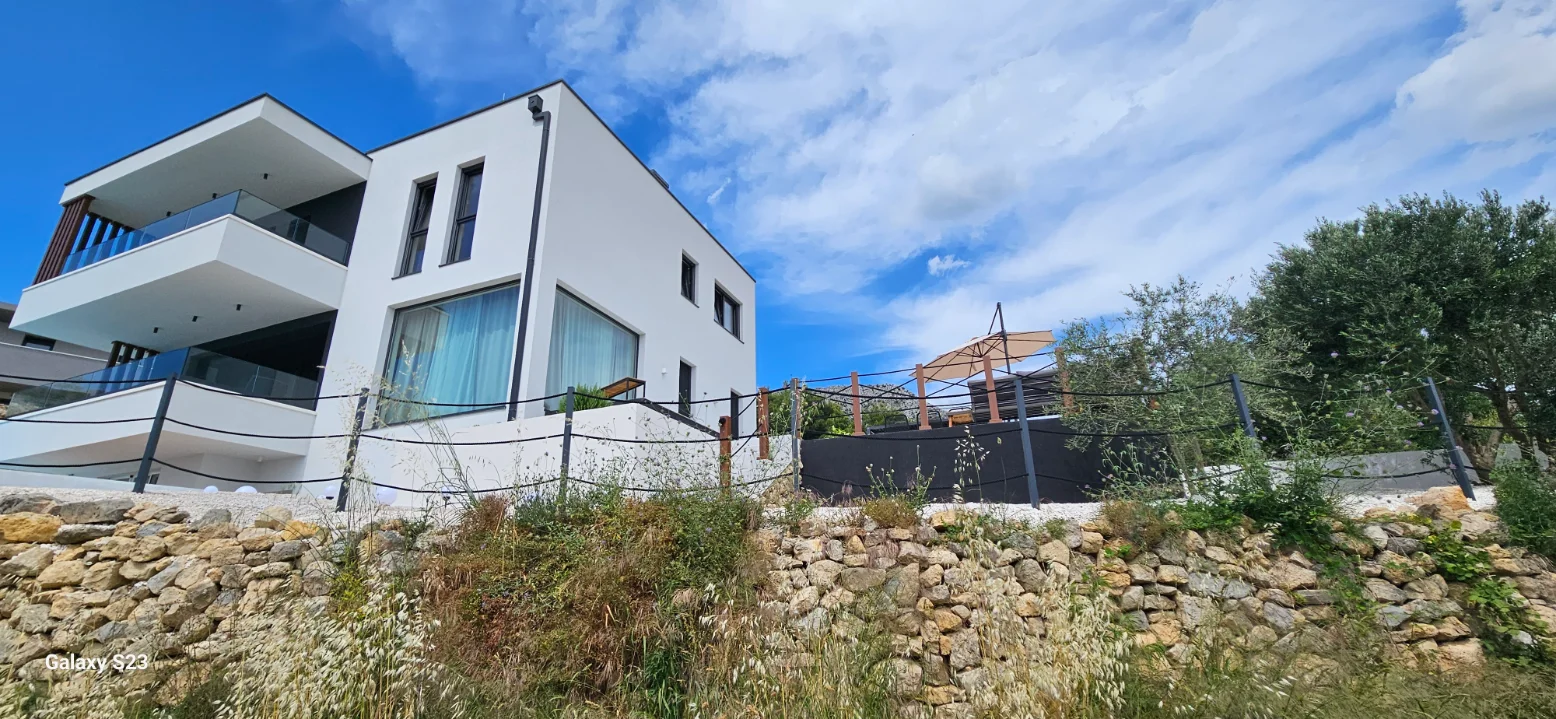
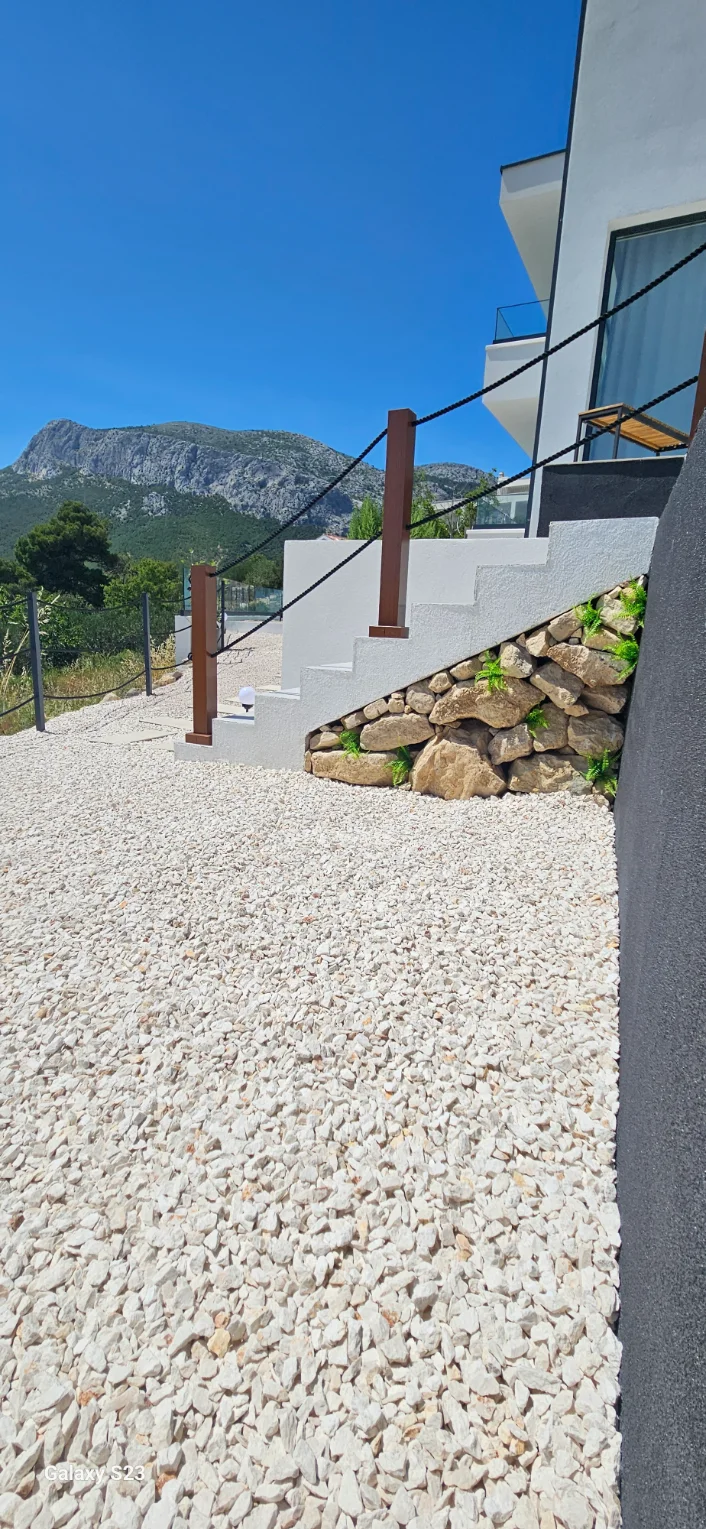
Just like around Klis, you can see perfect examples of dry stone walls around Villa Lagom, also made by the owners of the house!